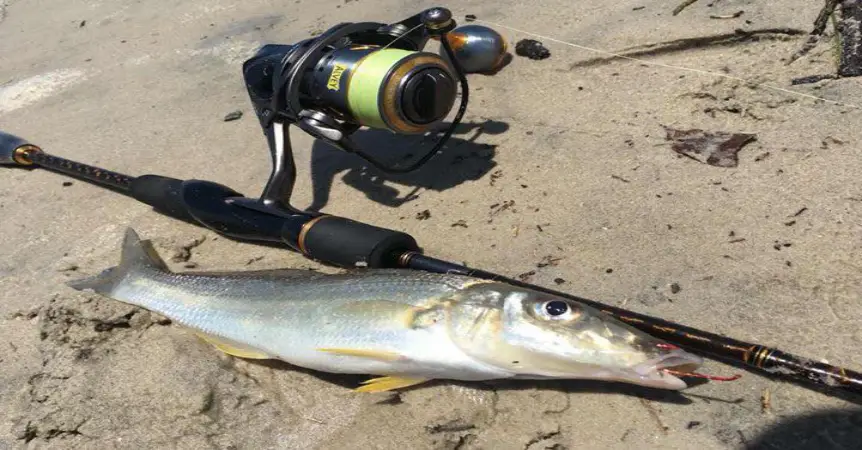
Gold Coast Whiting Fishing Guide – Tips, Baits & Hot Spots
Gold Coast Whiting Fishing – Known as the “ghosts of the flats,” whiting are some of the most exciting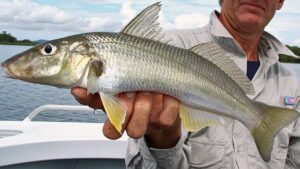 and rewarding fish to catch along the Gold Coast and Southeast Queensland. With their fast, agile fights, they’re perfect for anglers of all ages, whether you’re fishing from the shore or a boat.
Common Whiting Species on the Gold Coast
The SEQ region and northern NSW are home to several whiting species. The most common include:
-
Goldenline Whiting (Sillago analis): Rough scales, found from northern NSW to Geraldton, WA. Queensland size limit: 23cm, bag: 30. NSW bag: 20, no size limit. Can reach 45cm.
-
Northern Whiting (Sillago spp.): Found along the east coast; QLD size limit: 23cm, bag: 30. NSW bag: 20. Max length: 31cm.
-
Sand Whiting (Sillago ciliata): East coast species; QLD size limit: 23cm, bag: 30. NSW size: 27cm, bag: 20. Can grow to 51cm.
-
Stout Whiting (Sillago robusta) & Winter Whiting (Sillago maculata): Found from Victoria to WA; no size limits in QLD & NSW, bag: 20. Max length: 30cm.
Gold Coast Whiting Habitat
Whiting are schooling fish often found on sandbanks, shallow flats, and near ledges or drop-offs. They follow other species like trevally, bream, stingrays, and flathead, feeding on worms, yabbies, and small crustaceans disturbed from the sand. The run-in tide is ideal, with whiting hiding behind sand mounds or weed patches waiting for bait to drift past.
Best Baits for Whiting Fishing
Live Baits: 
-
Yabbies: A Gold Coast classic. Use a yabby pump during low tide to collect fresh yabbies.
-
Beach Worms: Hardy and effective; works well on lighter tackle.
-
Bloodworms: Perfect for night fishing along mangroves or shallow flats.
-
Soldier Crabs & Small Shrimp: Excellent for sandbanks and weed areas.
-
Squid Pieces: Small strips attract whiting in the bay and around estuaries.
Artificial Baits:
-
Surface Lures: Fast retrieves trigger reaction strikes. Try Suga Pen or MMD Splash Prawn.
-
Hard Bodies: Micro hard bodies (30–50mm) work well when bouncing across sandbanks.
-
Soft Plastics: 2–3” paddle tails, wriggle tails, or jerk shads mimic worms and small bait.
-
Blades: Small prawn-shaped blades like EcoGear ZX40s work well in deeper channels, especially for winter whiting.
Whiting Fishing Setups
Bait Fishing:
-
7–8ft soft-tip rods, 6–8lb line, 6lb fluorocarbon leader.
-
Small sinker to swivel with a 20–50cm trace; long-shank hooks 2/0–4/0 with bait keepers work best.
Artificial Setup:
-
1–5kg rod with 1000–2500 reel, 4–8lb braid, 6–10lb leader.
-
Drift baits or lures to cover sandbanks; moving baits often trigger strikes faster than stationary ones.
Techniques:
-
Drifting: Cover more ground and locate schools efficiently.

-
Anchored Fishing: Slowly move baits if bites are scarce; whiting respond well to subtle motion.
Preserving and Cleaning Your Catch
-
Bleed and brain spike: Reduces stress and improves fillet quality.
-
Ice slurry: Store whiting on ice immediately after cleaning for freshness.
-
Fillets: Whiting have tender, flaky flesh that cooks beautifully.
Cooking Whiting
Gold Coast whiting are versatile and delicious:
-
Shallow fried, deep fried, steamed, or grilled.
-
Perfect for salads, stir-fries, sandwiches, curries, fish cakes, and pasta dishes.
Pro Tip: Only take what you need—preserve sandbanks and maintain whiting populations for future fishing trips.
Gold Coast Whiting Fishing Hot Spots
-
Sandbanks near estuaries: Rich in yabbies and worms.
-
Shallow flats with ledges or drop-offs: Ideal for hunting schools.
-
Mangroves and weed patches: Nighttime hotspots for bloodworms and crabs.
Catch more whiting on the Gold Coast: Follow tides, use fresh bait, and try both artificial and live setups for an action-packed day on the flats!
Related Posts

Plan Your Next Charter
Discover your dream yacht experience with Sevrana. Contact our team to start planning today.