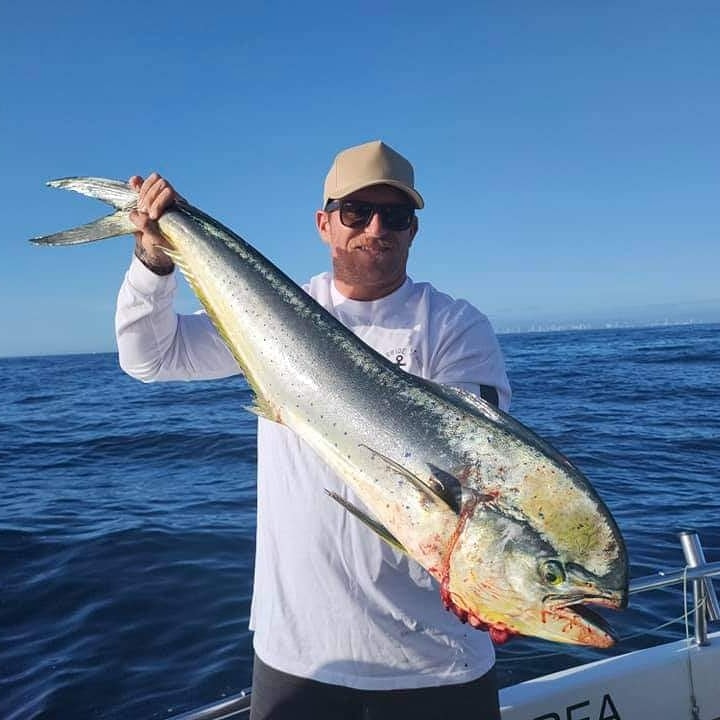
Mahi Mahi Fishing on the Gold Coast – Everything You Need to Know 🎣
Mahi mahi fishing on the Gold Coast is one of the most exciting offshore fishing experiences available in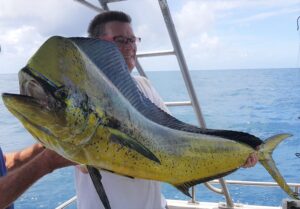 South East Queensland. Known for their explosive strikes, acrobatic fights and stunning colours, mahi mahi are a favourite target for both experienced anglers and first-time offshore fishers.
Often referred to as dolphinfish or dorado, mahi mahi are not related to dolphins at all. The name “mahi-mahi” comes from the Hawaiian language and was adopted to avoid confusion with marine mammals. Regardless of the name, this fast-growing pelagic species delivers unforgettable action on the water.
Mahi Mahi Habitat and Seasonal Availability
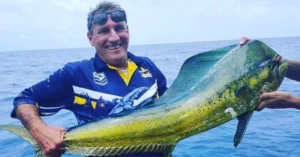 Mahi mahi are most commonly encountered off the Gold Coast during the warmer months, particularly from late spring through summer. These fish favour warm ocean currents, current lines and offshore structure, which are plentiful in local waters.
Despite having a relatively short lifespan of just 4 to 5 years, mahi mahi grow incredibly fast. Most fish caught off the Gold Coast range between 4 and 13 kilograms, with larger fish pushing 15 kilograms. Specimens exceeding 18 kilograms are considered true trophies and are an impressive catch anywhere in the world.
Identifying Mahi Mahi
Mahi mahi are instantly recognisable due to their unique body shape and brilliant colouring. They feature: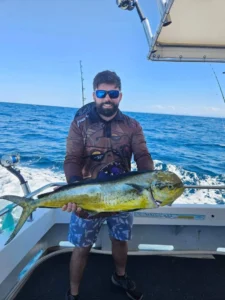
-
A long, streamlined body
-
A dorsal fin that runs nearly the entire length of the fish
-
Vibrant blues and greens along the back
-
Golden-yellow sides that shimmer in sunlight
Mature males, known as bulls, develop a distinctive square, blunt forehead that rises above the body line. Females (cows) have a more rounded head and are generally smaller in size.
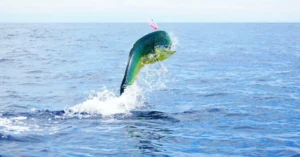
Few fish rival mahi mahi for sheer visual impact when they come boatside, lighting up in neon colours during the fight.
Feeding Habits and Behaviour
Mahi mahi are aggressive, fast-moving predators. Their diet consists mainly of smaller baitfish, including: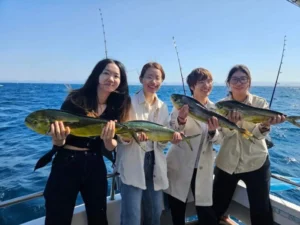
-
Yellowtail scad
-
Pilchards
-
Flying fish
They are often found feeding around bait schools, floating debris and pressure points created by current lines. This behaviour makes them highly responsive to both lures and baits when conditions are right.
How to Catch Mahi Mahi on the Gold Coast
 When targeting mahi mahi off the Gold Coast, keep a close eye out for:
-
Floating debris such as logs, palm fronds and kelp
-
Fish trap buoys and rope lines
-
Working seabirds
-
Temperature breaks and current lines
-
Reef edges in 18 to 50 fathoms of water
Like many pelagic species, mahi mahi will hold close to structure and shade, especially around floating objects.
Tackle and Gear
A 10–15kg outfit is ideal for mahi mahi fishing. Both overhead and spin tackle work well, though spinning gear is often preferred for casting and live baiting, while overhead reels excel when trolling.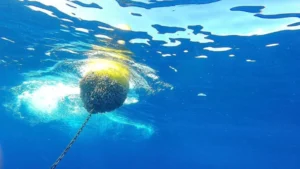
Proven Fishing Techniques
Mahi mahi can be caught using a variety of effective methods, including:
-
Trolling skirted lures
-
Casting spinners and soft plastics
-
Live baiting
-
Dead baiting
-
Float lining
Small to medium skirted lures in bright colours are extremely effective when trolled at 6–8 knots. Mahi mahi are also commonly caught as bycatch while trolling for tuna or marlin.
Live Bait and Burley Techniques
During peak summer months, particularly December, January and February, live bait fishing can be deadly. Live yellowtail scad and slimy mackerel are prime offerings and should be fished at varying depths beneath balloons along current lines.
If live bait isn’t available, unweighted pilchards floated down a burley trail can produce excellent results. Mahi mahi are highly responsive to burley and will often swim right up to the back of the boat, sometimes in large schools. When this happens, casting lightly weighted baits or metal spinners can result in instant hook-ups.
Book a Gold Coast Mahi Mahi Fishing Charter
If you’re looking to experience the thrill of mahi mahi fishing on the Gold Coast, booking a professional fishing charter is one of the best ways to maximise your chances. Experienced skippers understand seasonal movements, current patterns and offshore structure, giving you the best opportunity to hook into these spectacular fish.
Mahi mahi fishing offers fast action, spectacular visuals and exceptional eating fish — making it one of the highlights of offshore fishing on the Gold Coast.
Related Posts

Plan Your Next Charter
Chasing reef fish, game species, or a great day out on the water? Our crew is ready when you are.