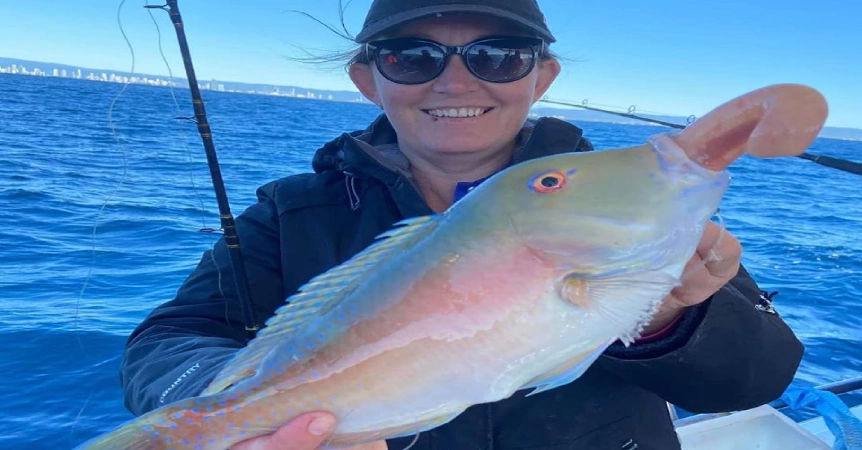
Gold Coast Mixed Reef Fishing Guide – Tips, Baits & Hotspots
Gold Coast waters are home to an incredible variety of mixed reef fish, making it one of the best destinations for offshore reef fishing in Australia. The overlap of southern and northern species creates a unique fishing environment where anglers can catch everything from Snapper and Pearl Perch to Mangrove Jack and Maori Cod.
Common Mixed Reef Species
Some of the most frequently caught reef fish off the Gold Coast include: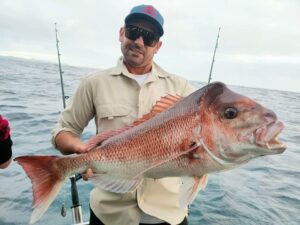
-
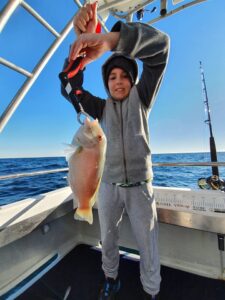
Snapper / Squire
-
Spangled Emperor
-
Pearl Perch
-
Maori Cod
-
Venus Tuskfish
-
Pigfish
-
One Spot Sea Perch
-
Gold Spot Wrasse
-
Parrotfish
-
Teraglin / Coronation Trout
-
Red Throat Emperor
-
Jobfish / Blue Grouper
-
Hussar / Mangrove Jack
-
Red Scorpionfish
-
Various cod and emperor species
-
Flame Snapper, Mosses Snapper, Ruby Snapper, Goldband Snapper
-
Trevally, Wrasse, Triggerfish, Leatherjackets
Size & Bag Limits
Queensland (QLD) and New South Wales (NSW) regulations:
| Species | QLD | NSW |
|---|---|---|
| Snapper/Squire | 35cm (1 over 70cm), bag 4 | 30cm, bag 10 |
| Spangled Emperor | 45cm, bag 5 | Bag 20 |
| Pearl Perch | 35cm, bag 5 | 30cm, bag 5 |
| Tuskfish | 30cm, bag 6 | Bag 20 |
| Maori Cod | 45cm, bag 5 | Bag 20 |
| Pigfish | 25cm, bag 5 | Bag 20 |
Possession limit: 20 fish per person per day including frozen or stored fish, all species must meet size and bag limits.
Best Time for Gold Coast Reef Fishing
The ideal time to catch mixed reef fish is just after the full moon, when many species are actively feeding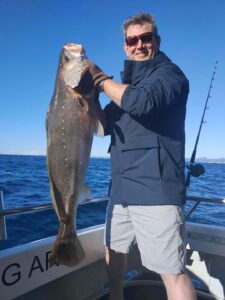 to replenish energy used during spawning.
-
Dawn: Close reefs fish best in the early morning light.
-
Daytime: Fish often migrate to deeper reefs as the sun rises.
-
Dusk/Night: Reef fish move back to shallower areas to feed.
-
Tides: Plan trips around changing tides for higher chances of bites.
Where to Find Mixed Reef Fish
The Gold Coast offers productive reefs at:
-
18, 24, and 36 fathom reefs
-
Depths between 20–50 meters offshore
Fish tend to congregate near:
-
Coral patches
-
Crustacean-rich areas
-
Reefs with baby squid, octopus, and small baitfish
-
Drop-offs and ledges
Use a fish finder to identify schools and check if the fish are hugging the bottom or feeding mid-water. Adding burley can attract fish off the bottom and into feeding range.
Best Baits for Mixed Reef Fish
Live & Dead Baits:
-
Pilchards, squid, strip baits, butterflied fillets
-
Combo baits: half pilchard + squid
-
Live bait rigs: small pea sinker to 4/0–8/0 hook
Artificial Options:
-
Plastics: Jerk shads, paddle tails, grubs (3–9 inches)
-
Micro jigs: Slow pitch, flutter, flat-blat jigs, 15–300g depending on depth
-
Octa jigs: 10–100g, natural jigging movement, beware leatherjackets
-
Flasher rigs: Hooks with glow beads/tassels paired with bait
-
Trolling hard bodies: 90–200mm lures, run 1m off bottom, use a downrigger if needed
Reef Fishing Rigs & Techniques
Drift Fishing: Cover more ground and locate schools of fish.
Anchoring: Use small, consistent burley to “seed” the grounds and bring reef fish up from deeper water.
Paternoster Rigs: Effective in currents or deep water. Snapper lead 2–24oz with 1–2 droppers, hooks 3/0–6/0. Combo baits work best.
Gang or Snelled Rigs: Ball sinker with multiple hooks, drift slowly off the bottom for maximum hook-ups.
Gold Coast Reef Fishing Tips
-
Light tackle: Many reef species fight hard; a soft-tipped rod prevents hook pulls.
-
Burley: Attracts fish off the bottom and increases bite rates.
-
Bait placement: Always keep baits near the bottom, where reef fish feed.
-
Fish ID: Use a fish ID app or guides like Grant’s Guide to Fish to avoid confusion and comply with regulations.
Cleaning & Cooking Reef Fish
-
Bleed & spike: Immediately after catching to preserve flesh quality.
-
Ice slurry: Keeps fillets fresh until home or onboard storage.
Cooking ideas:
-
Pan-fried, shallow or deep-fried
-
BBQ or grilled
-
In curries, pasta, salads, or fish cakes
Related Posts


Plan Your Next Charter
Discover your dream yacht experience with Sevrana. Contact our team to start planning today.